THE ROYAL POST
Horses in every town
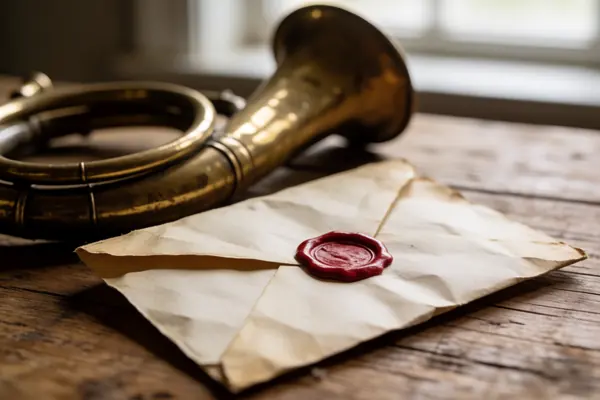
Henry VIII set up a mail system in which each town had to keep three horses ready for royal letters. The stables were called posts, and the name stuck.
Send a letter calvinistletters
00A HISTORY OF THE POST
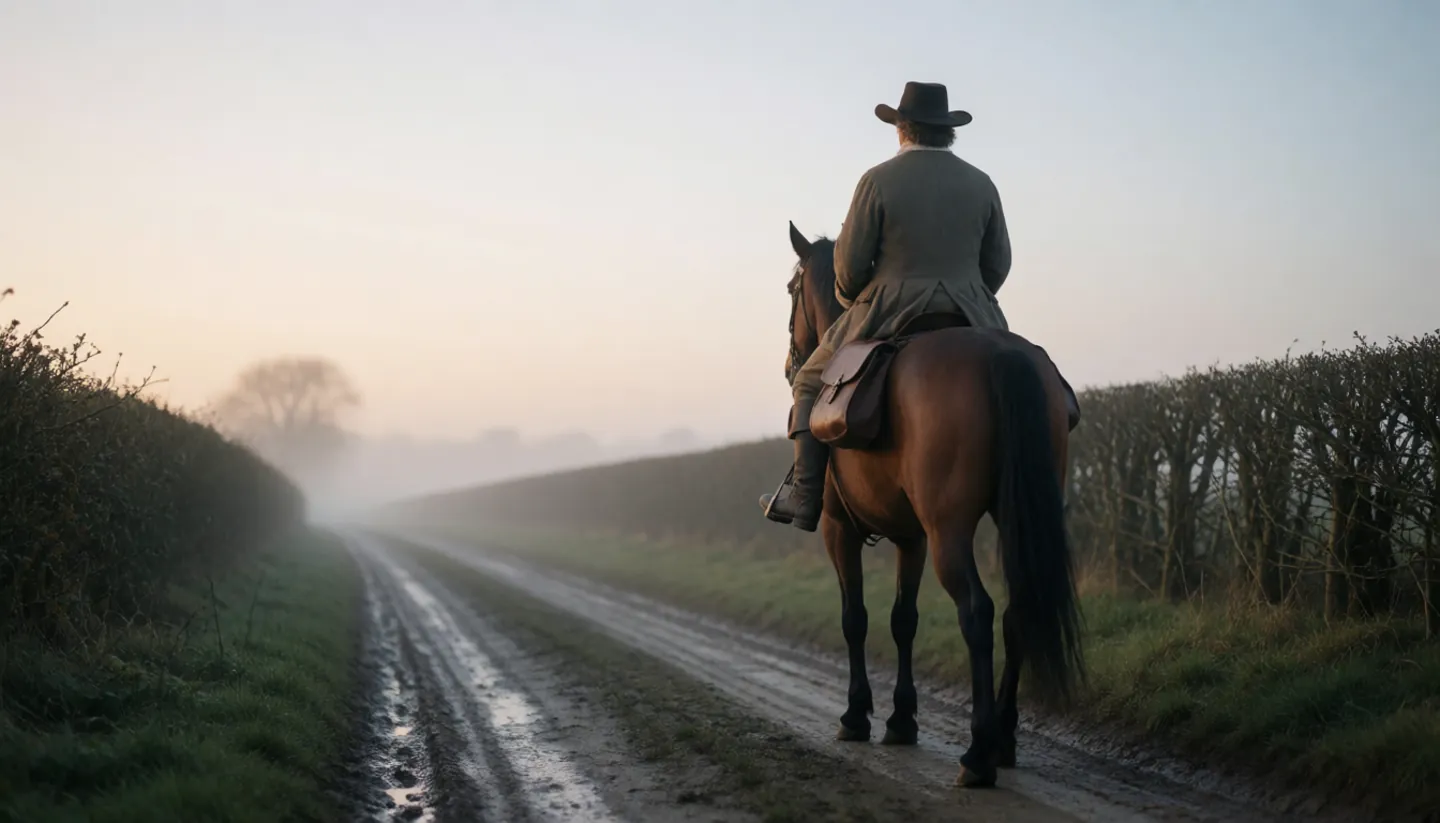
For a century, England's postal system served one customer: the monarch.
This independent history guide follows how a letter travelled in the 1500s and 1600s: from royal post horses and merchants' private couriers to the paid public post of 1635, the first postmark and London's Penny Post, and the scholars who wrote to each other across Europe.
Send a letter01Principles
02THE SHORT ANSWER
Three stages turned a king's courier service
into a post anyone could pay to use.
THE ROYAL POST
Henry VIII set up a mail system in which each town had to keep three horses ready for royal letters. The stables were called posts, and the name stuck.
Send a letter1635
In 1635 Charles I appointed Thomas Witherings to expand the post to carry private mail for a fee. Before that, merchants relied on their own private postal services.
See the numbersSCHOLARS
From the age of Erasmus to the age of Franklin, scholars relied on networks of correspondence across countries and continents to share and criticise ideas.
Read more03SEND A LETTER
Pick a moment in time to see how a private letter could travel. The bar shows how open the English post was to ordinary paying customers.
Based on The Postal Museum's gallery guide to the early post. An independent history guide.
04TWO NUMBERS WORTH KNOWING
How long a letter took from Scotland,
and how many letters one archive project gathered.
5 days
Edinburgh to London by the post roads
By 1670, six national post roads carried mail in and out of London, The Postal Museum says, and letters reached London from Edinburgh in five days.
POST ROADS · THE POSTAL MUSEUM
20,000 letters
Letters to and from 17th-century Dutch Republic scholars in one database
The Circulation of Knowledge project's ePistolarium lets researchers browse and map about 20,000 letters written by and sent to scholars living in the 17th-century Dutch Republic.
SCHOLARS' LETTERS · STANFORD
Letters did not always stay private. The Postal Museum says staff at Witherings' first General Post Office in London, set up officially to speed delivery, spied on the mail for the King.
05THE POST-BOY'S JOB
The people who actually carried the mail were often young riders. The Postal Museum describes their working life like this.
A post-boy might be about 14, carrying mail for miles on a tired horse, with pitiful pay and no defence against the weather.
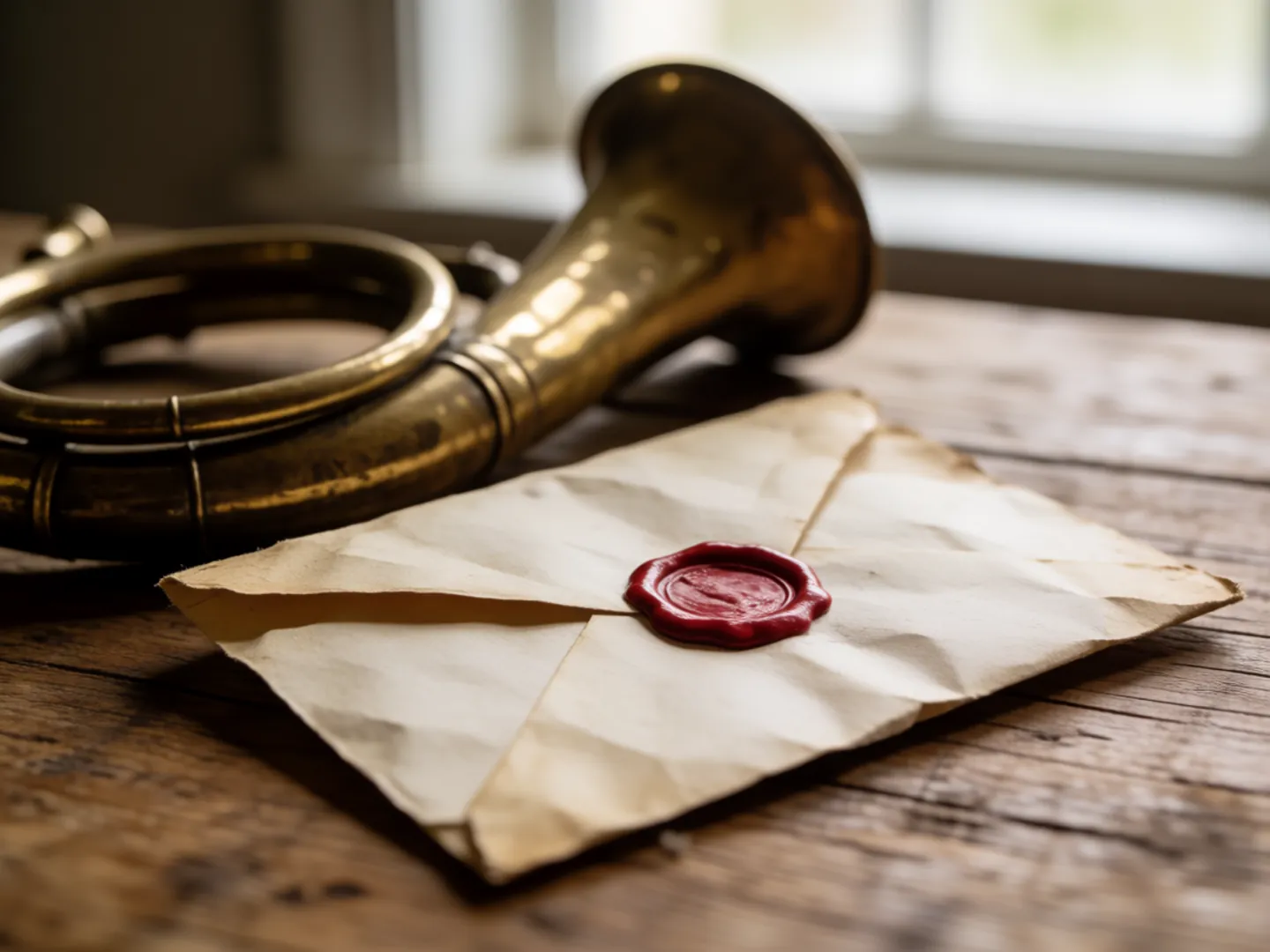
Delivering private letters began as a way to earn extra money and later became part of the job, announced with a post horn.
Post-boys faced severe punishment for delaying the post or wasting time by 'loitering' on the way.
In 1740 a post-boy on Bagshot Heath was robbed by two highwaymen, tied up and left for four hours.
06THE REPUBLIC OF LETTERS
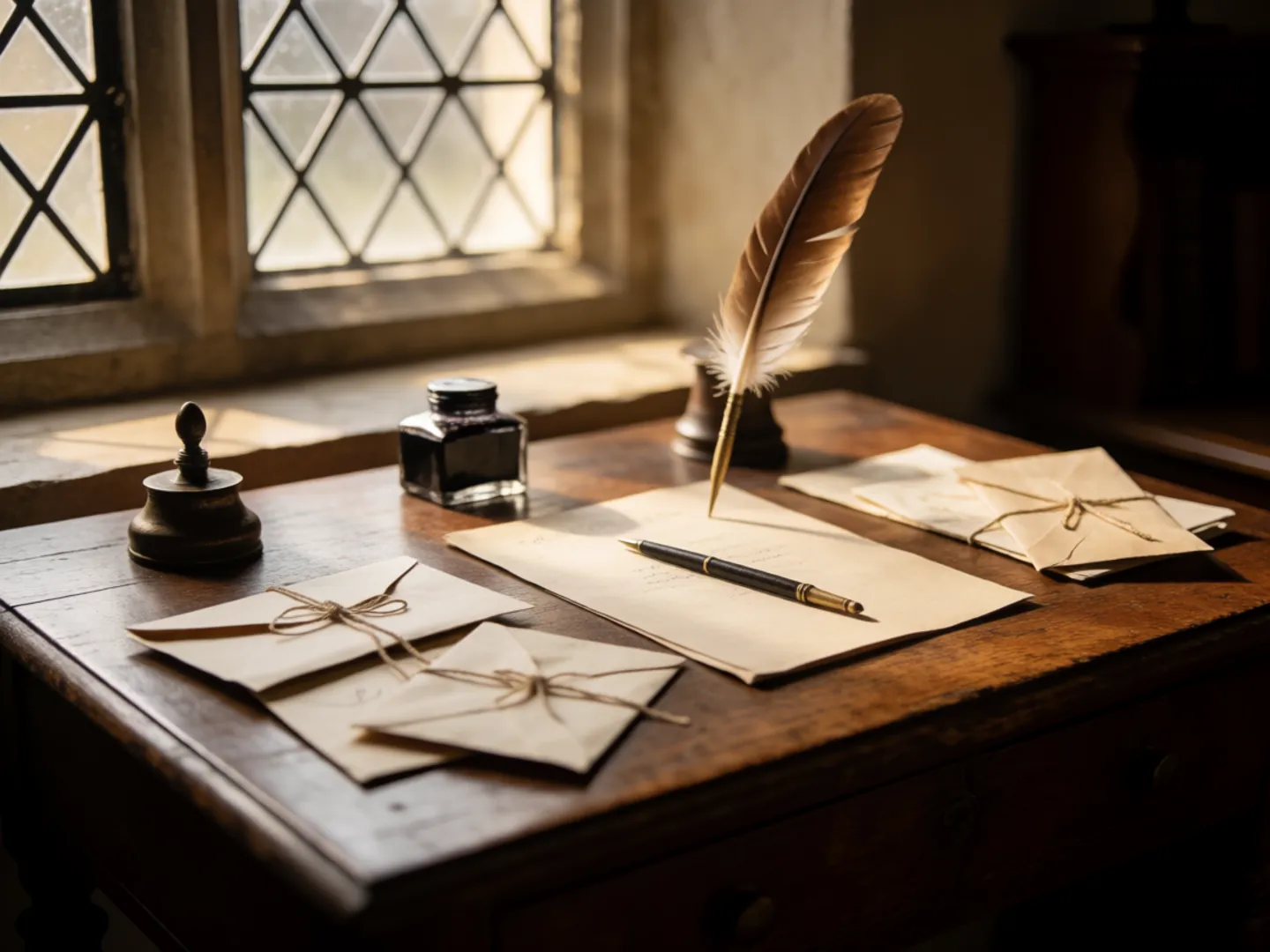
Before conferences and email, Stanford's Mapping the Republic of Letters project says, scholarship depended on networks of correspondence, scientific academies and travel. Letters spread ideas, criticism, political news, people and objects.
Oxford's Cultures of Knowledge project studies these networks from 1550 to 1750 and runs Early Modern Letters Online (EMLO), a union catalogue of 16th to 18th-century correspondence, describing who wrote to whom, when and where.
07Questions
Under Henry VIII, towns kept horses ready to carry royal letters. The stables holding them were known as posts, and the service took the name we still use.
In 1635, when Charles I appointed Thomas Witherings to expand the postal service to carry private mail for a fee. Early public letters were still very costly to send.
The Postal Museum says businessmen and merchants had private postal services. A letter of 1586 in its collection reached London from Cologne by one of them.
The Bishop mark, introduced in 1661 by Postmaster General Henry Bishop. It showed the day and month of posting and was meant to stop delays.
Early Modern Letters Online, run by the Cultures of Knowledge project with the Bodleian Libraries in Oxford, is a free catalogue of 16th to 18th-century correspondence.
08Sources
ABOUT THIS NAME
calvinistletters.com is part of the DoodleSale portfolio. It isn't in an auction right now, but you can ask about leasing it.